


By Arbrit Safety Training TeamPublished
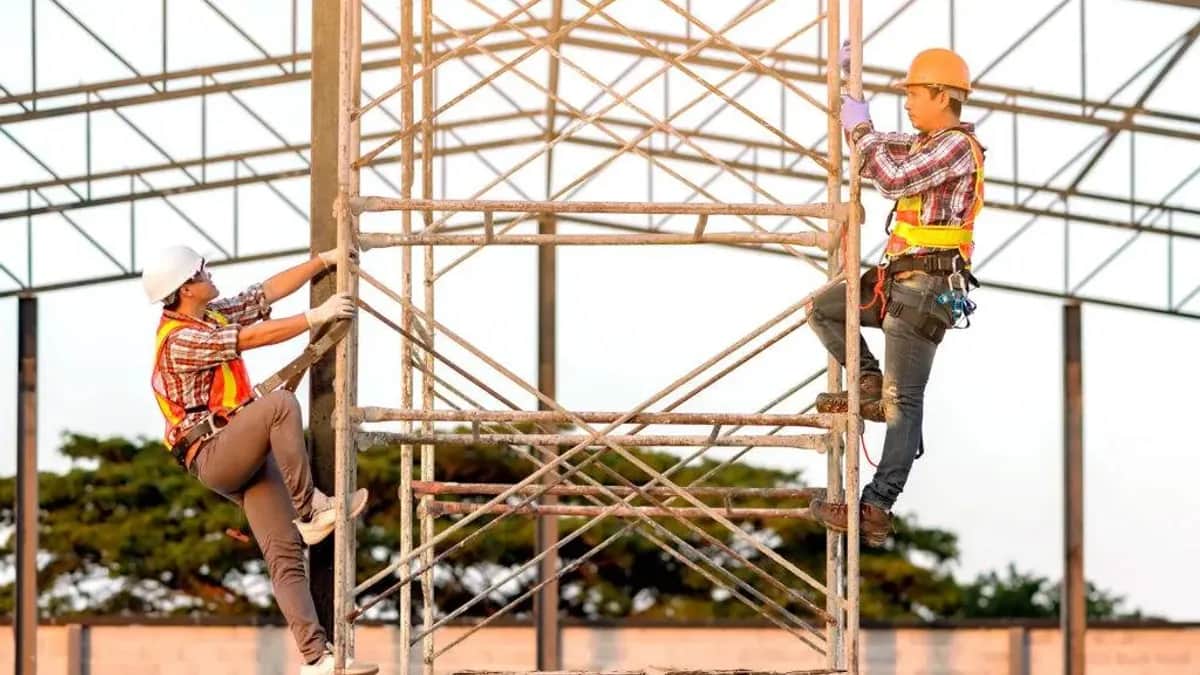
Scaffolding is widely used across construction sites, commercial buildings, industrial facilities and maintenance projects throughout the United Arab Emirates (UAE). It provides temporary access and working platforms for activities such as painting, plastering, building maintenance, façade installation and structural repairs. However, scaffolding can expose workers to serious hazards when it is improperly erected, poorly maintained or used without adequate safety precautions.
Falls from height, scaffold collapse, falling objects and unsafe access are among the risks that construction companies must manage. Implementing effective scaffolding safety procedures, conducting regular inspections and providing appropriate training can help employers reduce workplace accidents and improve compliance with applicable health and safety requirements.
This guide explains the importance of scaffolding safety training in the UAE, common scaffold hazards, inspection procedures, essential control measures and the responsibilities of employers, supervisors and workers.
What Is Scaffolding Safety?
Scaffolding safety refers to the procedures, equipment, inspections and training used to protect people working on or around temporary scaffold structures.
A scaffold must provide a stable working platform, safe access and adequate protection against foreseeable hazards. Its suitability depends on factors such as its design, height, intended load, ground conditions, environmental exposure and the work being performed.
Scaffolding safety is particularly important on busy construction sites where multiple contractors may work at different levels. Poor coordination or unauthorised changes to a scaffold can create risks for everyone using the structure.
An effective scaffolding safety programme should include:
- Proper scaffold design, erection and dismantling.
- Inspection by a competent and appropriately authorised person.
- Safe access and suitable working platforms.
- Fall prevention and falling-object protection.
- Load management and prevention of overloading.
- Worker training and supervision.
- Procedures for reporting defects and unsafe conditions.
Why Is Scaffolding Safety Training Important in the UAE?
The UAE has a large construction and infrastructure sector, with scaffolding used for projects ranging from residential developments to commercial towers and industrial facilities. Workers may operate in changing weather conditions, around heavy equipment and alongside other construction activities.
Without suitable training, workers may not recognise an unstable platform, missing guardrail, damaged component or unsafe access route. They may also make unauthorised adjustments that affect the scaffold’s stability.
Scaffolding safety training helps workers and supervisors understand their responsibilities and identify hazards before an incident occurs.
1. Preventing Falls from Height
Falls are a major concern when working on elevated platforms. Missing guardrails, incomplete platforms, unsafe ladders and gaps between working surfaces can increase the likelihood of serious injuries.
Training helps workers understand the importance of collective fall protection, safe access and following approved working procedures.
2. Reducing the Risk of Scaffold Collapse
Scaffold instability can result from inadequate foundations, incorrect assembly, missing braces, unauthorised modifications or excessive loading.
Training reinforces the importance of following the approved scaffold design and ensuring that only suitably competent personnel erect, alter or dismantle scaffolding.
3. Improving Hazard Identification
Workers who understand scaffolding hazards are better equipped to recognise unsafe conditions and report them promptly. Early identification allows supervisors to arrange corrective action before work continues.
4. Supporting Workplace Safety Compliance
Employers must identify and meet the health and safety requirements applicable to their activities, project location and industry. These may include relevant UAE federal requirements, emirate-level rules, free-zone requirements and client-specific HSE procedures.
Appropriate training supports a stronger safety management system, but employers should confirm the specific regulatory and certification requirements applicable to each project.
Common Scaffolding Hazards on UAE Construction Sites
Understanding the most common scaffold hazards is an essential part of scaffolding safety training.
Falls from Unprotected Edges
Workers may fall when guardrails, midrails or toe boards are missing, or when working platforms contain gaps. Inadequate access can also force workers to climb scaffold frames instead of using designated access points.
Preventive measures:
- Install suitable edge protection where required.
- Provide safe ladders, stair towers or other approved access.
- Ensure working platforms are properly installed and secured.
- Keep access routes clear of materials and debris.
- Use personal fall protection where required by the risk assessment and applicable procedures.
Scaffold Collapse or Structural Failure
A scaffold may become unstable if it is erected incorrectly, placed on unsuitable ground or altered without proper authorisation.
Preventive measures:
- Use a suitable design and follow the manufacturer’s instructions.
- Check ground conditions and foundation arrangements.
- Ensure required bracing, ties and connections are in place.
- Prevent unauthorised alterations.
- Keep loads within the scaffold’s approved capacity.
Falling Tools and Materials
Tools, construction materials and debris can fall from elevated platforms and injure people below.
Preventive measures:
- Install toe boards and suitable containment measures where necessary.
- Secure tools and materials where appropriate.
- Avoid placing materials near unprotected platform edges.
- Establish exclusion zones beneath overhead work.
- Use suitable barriers and warning signs to restrict access.
Overloading of Scaffold Platforms
Placing excessive construction materials, equipment or workers on a scaffold can compromise its stability and structural integrity.
Preventive measures:
- Follow the scaffold’s specified load capacity.
- Distribute materials evenly as permitted by the design.
- Keep unnecessary materials off working platforms.
- Ensure workers understand load restrictions.
- Do not add heavy equipment without checking that the scaffold is suitable for the additional load.
Unsafe Access and Poor Housekeeping
Loose materials, damaged ladders, blocked walkways and slippery surfaces can lead to slips, trips and falls.
Preventive measures:
- Maintain clear access routes.
- Remove unnecessary debris and materials.
- Check ladders and access equipment before use.
- Report damaged components immediately.
- Keep platforms organised throughout the working shift.
Adverse Weather Conditions
Wind, rain, poor visibility and other environmental conditions can affect scaffold stability and worker safety. Outdoor construction work in the UAE may also involve high temperatures and dusty conditions.
Preventive measures:
- Monitor weather conditions and site instructions.
- Stop work when conditions make scaffold use unsafe.
- Follow the approved procedure for securing scaffolds and materials.
- Reinspect the scaffold after conditions or events that could affect its stability.
- Apply relevant heat-stress and environmental safety procedures.
Scaffold Inspection Checklist: What Should Be Checked?
Scaffold inspection is a critical part of construction site safety. Inspections should be completed by a competent person with the appropriate knowledge, experience and authority for the scaffold concerned.
The inspection process should follow applicable requirements, the approved scaffold design, manufacturer instructions and the site’s inspection procedure.
1. Foundation and Base
Check whether the scaffold is supported on suitable ground or an appropriately designed supporting structure. Base plates, sole boards and other foundation components should be correctly installed where required.
Look for settlement, movement, damaged supports or signs that the ground has become unstable.
2. Structural Components
Inspect scaffold standards, ledgers, transoms, braces, couplers and connections for damage, corrosion, deformation or missing components.
Confirm that the scaffold has been erected according to the approved design and that required ties and bracing are in place.
3. Working Platforms
Check that platforms are properly supported, secured and suitable for the intended work. Look for gaps, damaged boards, loose components and unsafe projections.
Ensure that workers have enough space to perform their tasks without creating unnecessary obstructions.
4. Guardrails and Edge Protection
Verify that required guardrails, intermediate protection and toe boards are installed and secure. Check that openings and access points have suitable protection.
Any missing or damaged edge protection should be addressed before the affected area is used.
5. Safe Access
Check ladders, stair towers and other designated access systems for stability and suitability. Workers should not climb scaffold frames unless a specific approved system permits it.
Access routes should be kept clear and protected from avoidable hazards.
6. Load Capacity and Materials
Confirm that the intended use is consistent with the scaffold’s load rating. Check that materials are stored safely and that platforms are not overloaded.
7. Surrounding Environment
Look for nearby electrical hazards, vehicle movements, overhead work, excavation activities and other conditions that could affect scaffold safety.
Where relevant, confirm that appropriate clearances, barriers and coordination measures are in place.
8. Inspection Records and Handover
Maintain inspection records according to applicable requirements and site procedures. The records should identify defects, corrective actions and the status of the scaffold.
A scaffold should not be released for use until the required checks are complete and identified safety issues have been resolved.
Important: This checklist is a general guide, not a substitute for a formal scaffold inspection procedure or an assessment by a competent person.
Essential Scaffolding Safety Practices for Workers
Workers play an important role in maintaining safe scaffold conditions. Everyone using a scaffold should understand the approved access arrangements, platform limitations and procedures for reporting hazards.
Follow these essential practices:
- Use only scaffolds that have been inspected and released for use under the applicable site procedure.
- Follow instructions displayed on scaffold tags or access-control systems.
- Never remove braces, ties, guardrails or other structural components without authorisation.
- Do not exceed the permitted load capacity.
- Use designated access points.
- Keep platforms clear of unnecessary tools and materials.
- Wear the required personal protective equipment.
- Follow fall-protection procedures applicable to the task.
- Report damage, movement, missing components and unsafe conditions immediately.
- Do not use a scaffold if you believe it is unsafe.
Workers should also understand that personal protective equipment cannot replace sound scaffold design, proper erection, suitable platforms and effective edge protection.
Who Needs Scaffolding Safety Training?
The type and depth of training should match each person’s duties, competence and level of responsibility.
Scaffolders
Workers involved in erecting, altering or dismantling scaffolds need appropriate practical and theoretical training for the scaffold systems they handle. They should understand safe assembly sequences, component requirements, stability and fall-prevention procedures.
Scaffold Inspectors and Supervisors
Personnel responsible for inspecting or supervising scaffolds need the relevant knowledge and experience to recognise structural defects, assess site conditions and ensure that corrective actions are completed.
Construction Workers
Workers who use scaffolds should receive task-specific instruction covering safe access, load restrictions, hazard reporting, platform use and emergency procedures.
HSE Officers and Site Managers
HSE personnel and managers benefit from understanding scaffold risk assessments, inspection documentation, work-at-height controls and contractor coordination.
The appropriate course depends on the individual’s role. A general scaffolding safety course should not automatically be considered equivalent to specialist scaffolder, scaffold inspector or advanced scaffold supervision training.
How to Choose the Right Scaffolding Safety Course in the UAE
Selecting a suitable training provider is important for developing practical workplace competence.
Before enrolling in a scaffolding safety course in the UAE, consider the following factors:
- Course relevance: Check whether the course covers scaffold users, scaffolders, inspectors or supervisors. Choose training that matches the participant’s actual responsibilities.
- Practical training: Where relevant to the role, look for hands-on instruction, demonstrations and practical assessments rather than relying exclusively on classroom theory.
- Trainer competence: Review the trainer’s qualifications and experience in scaffolding and construction safety.
- Assessment methods: Confirm how participants’ knowledge and practical competence will be assessed.
- Certificate recognition: Verify the issuing organisation, the certificate’s scope and whether it meets the requirements of the employer, client, project or relevant authority.
- Training records: Check whether the provider supplies attendance records, assessment results and certification documentation as applicable.
- Refresher requirements: Ask whether periodic refresher training or reassessment is recommended or required for the specific role.
Employers should verify certification and regulatory claims directly with the relevant authority, awarding body or training provider before making a booking.
The Role of Employers in Scaffold Safety
Scaffolding safety is not the responsibility of workers alone. Employers and contractors must establish effective systems to manage risks associated with temporary work platforms.
A practical scaffold safety programme should include:
- Risk assessments before scaffold-related activities.
- Approved scaffold designs and erection procedures where required.
- Appointment of competent personnel for erection, alteration and inspection.
- Site-specific induction and task-related training.
- Inspection schedules and documented corrective actions.
- Coordination between scaffold teams and other contractors.
- Procedures for restricting access to unsafe scaffolds.
- Emergency response and incident-reporting arrangements.
- Periodic reviews of training needs and safety performance.
Employers should also ensure that workers can report unsafe conditions without being encouraged to continue work when a serious hazard remains unresolved.
Frequently Asked Questions About Scaffolding Safety Training in the UAE
Is scaffolding safety training mandatory in the UAE?
Training requirements depend on the person’s duties, the project, applicable health and safety regulations and client requirements. Employers should verify the specific training and competency requirements for scaffold users, scaffolders and inspectors rather than assuming that one general course meets every requirement.
Who can inspect scaffolding on a construction site?
Scaffolding should be inspected by a competent person with the appropriate knowledge, experience and authority for the structure and inspection task. The employer or contractor should ensure that the appointed person meets applicable requirements and follows the site’s inspection procedure.
How often should scaffolding be inspected?
Inspection frequency depends on applicable regulations and site procedures. Scaffolds should also be checked after events or changes that could affect their safety, such as alterations, damage, adverse weather or suspected movement. Follow the inspection schedule required for the specific project and jurisdiction.
What topics are covered in scaffolding safety training?
Depending on the course, topics may include scaffold hazards, safe access, working platforms, load limits, fall prevention, falling-object protection, inspection procedures, personal protective equipment and emergency response. Specialist courses may cover scaffold erection, alteration, dismantling or formal inspection.
Is a scaffolding safety course the same as scaffold inspector training?
No. A general scaffolding safety course may focus on safe scaffold use and hazard awareness. Scaffold inspector training requires a more specialised focus on identifying defects, assessing scaffold conditions and documenting inspection findings. Course suitability depends on the participant’s responsibilities.
How can companies improve scaffolding safety on construction sites?
Companies can improve scaffold safety through competent personnel, approved designs, regular inspections, suitable training, effective supervision, proper load management and timely corrective action. Workers should also be encouraged to report unsafe conditions immediately.
Where can I find scaffolding safety training in the UAE?
Contact a suitable HSE training provider to ask about available courses, practical training, assessment methods and certificate recognition. Employers should confirm that the selected course meets their project’s requirements before enrolling workers.
Improve Workplace Safety with Arbrit Safety
Safe scaffolding practices help construction companies protect workers, manage work-at-height risks and maintain better control over site operations. Effective training, competent inspections and consistent supervision are essential for reducing preventable incidents.
Arbrit Safety provides health, safety and environmental training and consultancy services. Organisations looking to improve their construction safety practices can explore the available courses, including STI scaffolding training, and discuss their training needs with the team.
Visit Arbrit Safety UAE to learn more about available training options and identify a suitable course for your workforce.

